Time to champion Art in education
Following the 'Time in Art' Conference on 28 November 2025, organiser Nitya Paul reflects on the challenges faced by Art & Design education, and how we can work together to ensure that our subject not only survives but thrives.
The recent curriculum review – with its promise to phase out the EBacc and introduce a new enrichment entitlement – has sparked real excitement amongst educators. But for those of us in the Art world, that optimism is tempered with a dose of reality.
Art education is facing serious challenges. Teacher numbers have fallen, budgets have tightened, and the perception of art as ‘non-essential’ has taken hold. And according to The Guardian, vacancies for art teachers are at their highest level in over a decade.
But here’s the good news: we can change this. We have an opportunity to protect and promote Art and Design in schools – and preserve a vital part of our cultural and educational fabric.
Why is Art and Design in schools declining?
I asked teachers, students and parents across and beyond the Ark network why Art isn’t being chosen. Two reasons stood out: ‘It’s not related to a future career’ and ‘it demands an intimidating amount of extra time’ to achieve good grades.
The second point is particularly challenging. Unlike most subjects, Art and Design is assessed mainly through coursework – and the volume required is often unclear.
I’ve seen talented students hesitate because they fear Art will consume every spare hour. And they’re not wrong. One of my students last year spent 20 hours a week on art to secure an A*, compared to six scheduled hours for Biology or Chemistry.
Why? Because there’s no clear, universally accepted standard for what’s ‘enough’. Art is the only subject where that question has no answer, leaving teachers and students feeling they must do more and more just to feel safe.
For many young people, especially those from low-income families, choosing Art feels like a risk. The pressure to pick ‘safer’ subjects with more predictable outcomes – like Maths or Science – is immense.
Why Art and Design matters more than ever
As an Art teacher for 18 years, this is heartbreaking. Art isn’t just a subject – it’s a lifeline.
It offers a space for creativity, identity and mental well-being. It builds resilience and critical thinking, skills that power success in countless careers, from Engineering through to Medicine.
But participation is declining. While GCSE entries for Art and Design have held steady at 3.4 per cent of total entries, A-Level participation is falling – from 5.6 per cent in 2010 to 4.9 per cent in 2024.
And in further education, participation in arts courses has dropped by 57 per cent since 2014. Drama and Media Studies have seen the sharpest declines, and Art and Design could be next if we don’t act now.
Working together to remove barriers
The problem isn’t passion – students and teachers have that in abundance. The problem is structure: unclear expectations, inconsistent standards and invisible extra hours.
As one of my former students, who is now a professional artist, told me: ‘To get good grades, Art felt like a mountain 10 times higher than any other subject.’
And that mountain is stopping too many talented young people from even starting the climb.
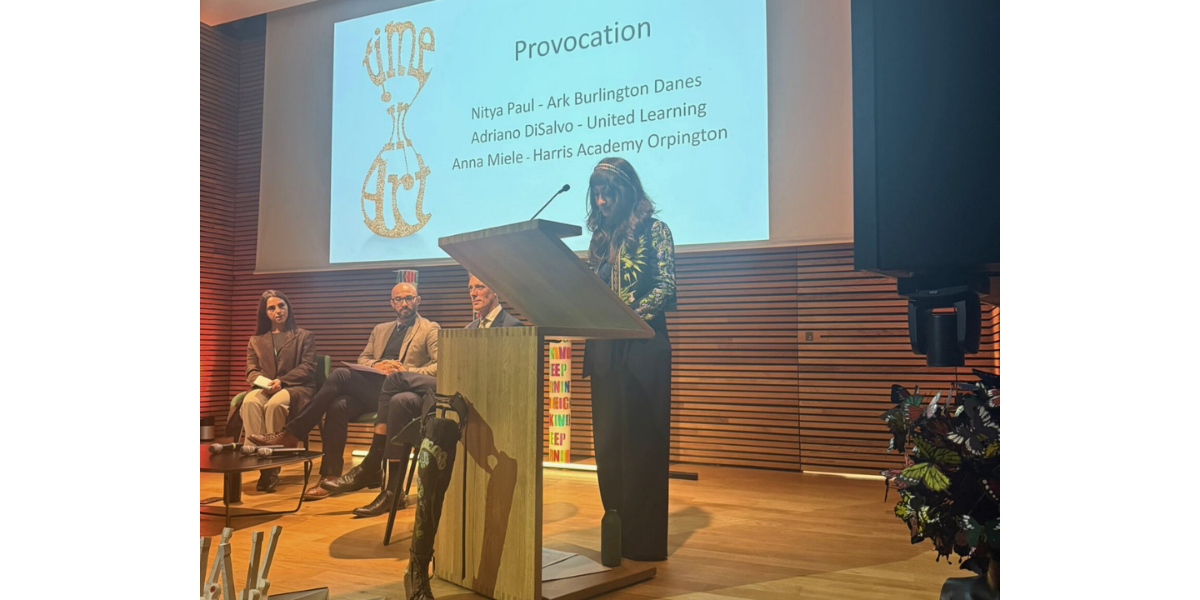
That’s why on 28 November 2025, I brought together 150 Art teachers, educators, MAT leads and young artists, along with representatives from exam boards, trade unions and Ofsted at The National Portrait Gallery in central London.
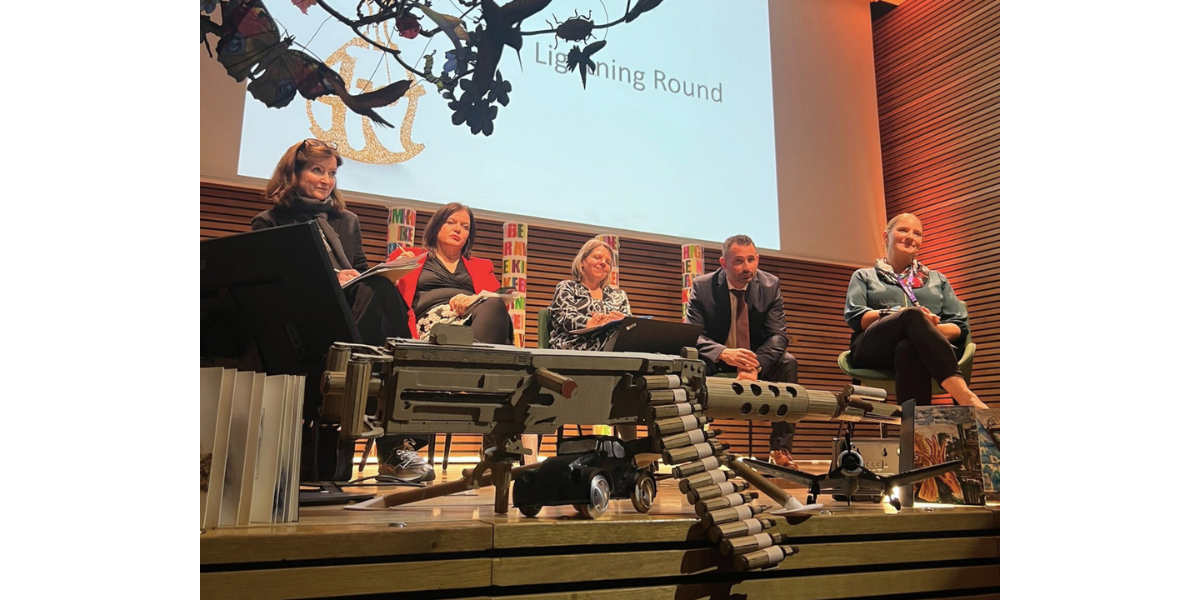
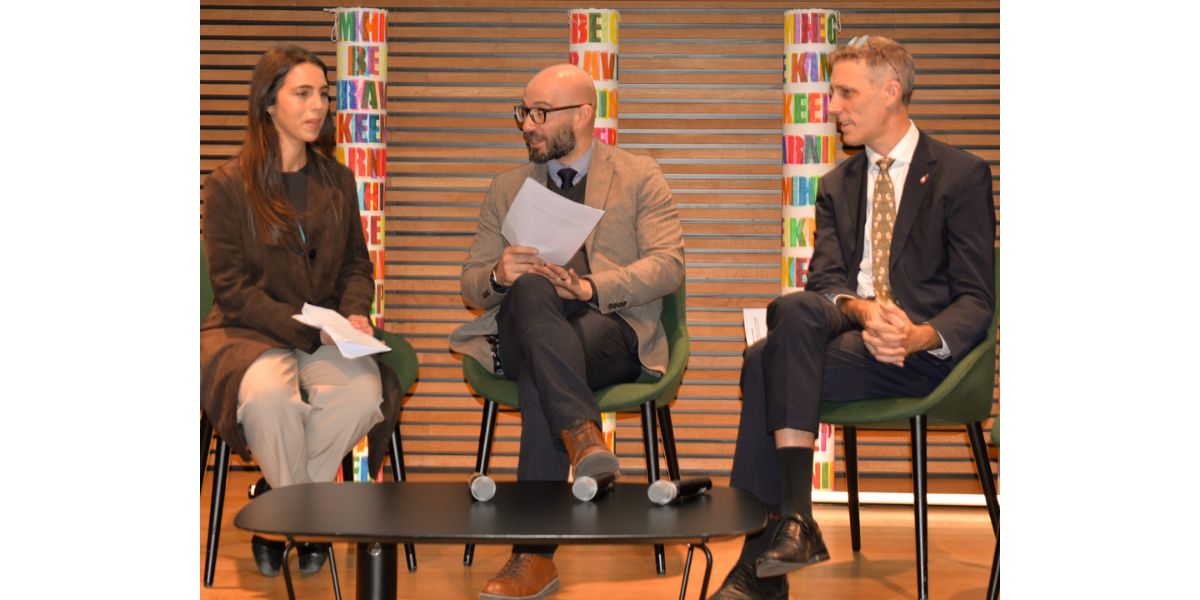
A panel of speakers including Professor of Veterinary Science at the University of Liverpool, Dr Paul Lunn; Ofsted Inspector, Adam Vincent; STEM student, Suri Paul; and GCSE Art students all shared their perspectives on the future of Art education and possible solutions to its decline.
Some called for more formal guidelines on the number of pieces required for submission to exam boards, while others asked for better exemplification of what standard of work would receive which grade.
The attendees reflected on the issues raised in small working groups and began shaping recommendations together to ensure that creative subjects remain accessible and valued. We had so many innovative and brilliant contributions.
These suggestions will be compiled by Ark and published as a series of recommendations in the new year to continue the discussion on how we can future-proof Art and Design education.
We need clarity, consistency and a real commitment to making Art accessible – not just for the privileged few, but for every child who deserves the chance to create.
Let’s work together to ensure that Art not only survives but thrives – shaping the hearts and minds of future generations.
About the author
Nitya Paul is Head of Art and Technology at Ark Burlington Danes Academy.
Images
Speakers and panellists at the 'Time in Art' Conference, 28 November 2025.