28 Years In and I Can Still Feel Like the Rookie
In this blog post, Maria Romanski reflects on 28 years of teaching Art and Design and the importance of looking back – not to dwell on our mistakes, but to see how far we've come.
_____
Being a teacher has always come with a fair share of self-doubt for me. That's probably what makes me conscientious. But alongside that doubt sits a genuine inner confidence and the two seem to coexist, which is a bit of a contradiction.
I've been teaching art for 28 years, 14 of them as Head of Art. I've watched education change enormously, taught generations of students and built a department I'm extremely proud of. And yet, I still regularly catch myself wondering whether I'm doing a good enough job.
In modern education, where so much is structured, monitored and measured, it's easy to feel like you're never quite doing enough. As an art teacher, finding the right balance of play, rigour, calm and busy is tricky. Trying to meet every student's needs, manage behaviour, and still leave room for enjoyment, creativity and the unexpected can feel like a constant balancing act.
I think this is especially true in art. What does a good art classroom actually look like? Does it need to be quiet and orderly, everyone sitting neatly and knowing exactly what they're doing? Or can it be noisy and messy, full of experimentation, half-finished ideas and students trying things that might not work? Heaven forbid they make a mistake or two or drift off task for a moment!
It was the end of a very long first week back when I found myself looking through old photographs of students' work. With fresh eyes, I could see how much of it was genuinely good. At the time, I'm always looking critically - what could be better, what could they develop next, how can I help them improve? That's the job. But looking back, I could see the creativity, the progress, the individuality, and the things that worked, rather than the blood, sweat and tears it took to get there.
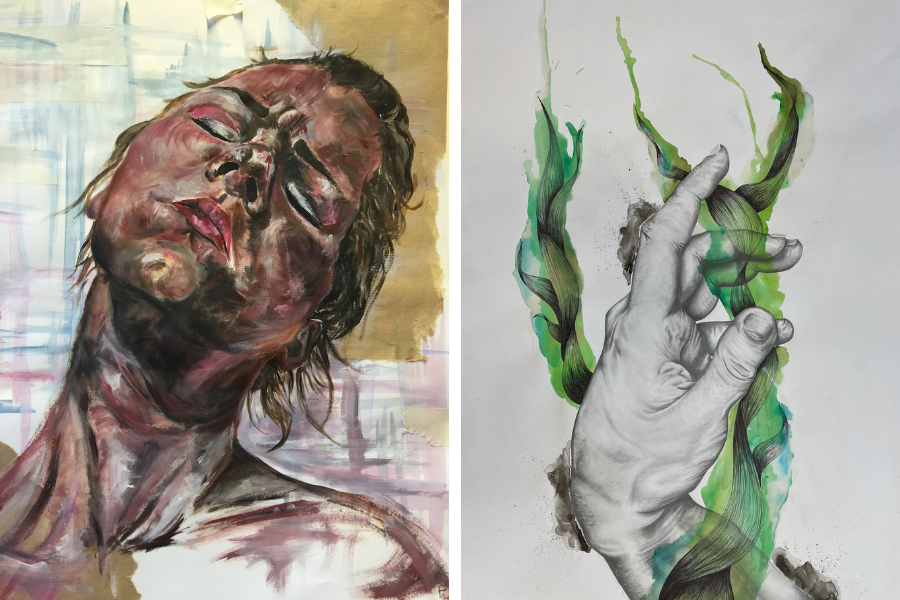
I think teaching is a bit like that. When you're in it every day, you notice everything that could be better - the lesson that didn't quite land, the behaviour you didn't quite manage, the student you wish you'd reached more effectively. You see the mistakes. And I'll admit I'm guilty of looking at other teachers and assuming they're doing a brilliant job while I'm the only one struggling. I suspect I'm not alone in that.
People sometimes tell me what I'm describing is imposter syndrome. I'm not sure that quite fits, though. I don't feel like an imposter, I believe I deserve to be where I am, and I know I have plenty to offer. What I question isn't whether I belong, but whether I'm doing it in the way I'm supposed to be doing it. There are so many expectations on teachers now: the right evidence, the right structures, the right routines, the right outcomes and, as an art teacher, trying to fit all of that around creativity, experimentation, mess and spontaneity. It’s hard!
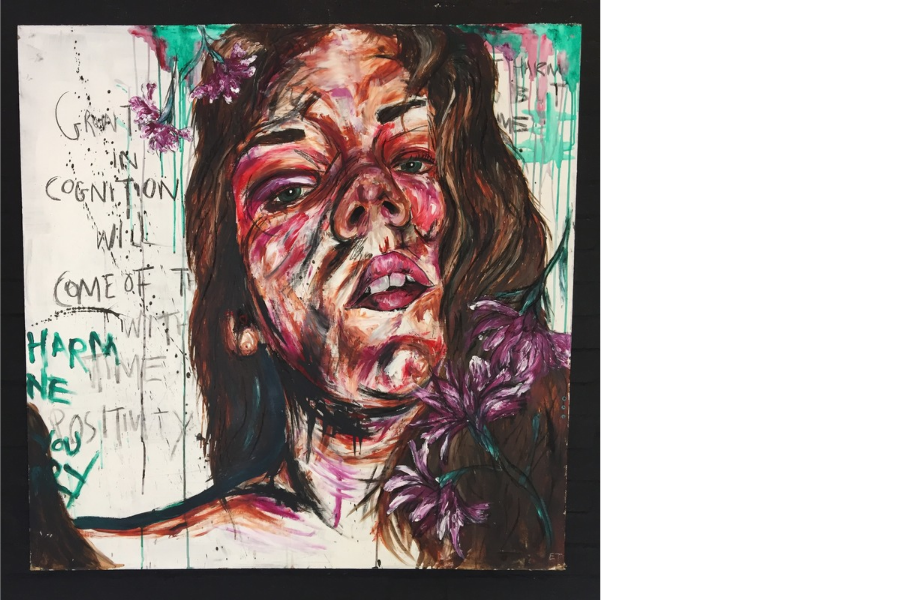
If I'm honest, there's quite a lot of evidence that I'm probably doing something right. My students have achieved consistently strong results, most years above the national average and in line with or better than similar schools. I have quite a collection of thank-you cards and gifts that I cherish, and I still get messages from former students, sometimes years after they've left, telling me the impact my teaching had on them. My feedback from Ofsted inspections has always been positive. During one inspection, I remember an inspector said something that made a tear run down my cheek: 'I hope this school realises how lucky they are to have you.' You'd think, with all that, I might feel fairly secure in my abilities. And yet I still doubt myself.
There's a phrase you hear in football: 'You're only as good as your last game.' I think teachers can feel like that too. You can have years of good results, positive feedback and students who tell you that you made a difference and then one lesson doesn't go well, and suddenly you're questioning everything. That lesson wasn't great. Maybe I'm not doing a good job. It's ridiculous when you look at it rationally but it’s a very real feeling that can linger on.
I have an amazing Visual Arts team around me, and a supportive, well-respected leadership team who have always championed me and my subject. I feel genuinely valued at my school by staff and students, and I know that isn't something every teacher can say.
Perhaps, we need to occasionally step back and look at the bigger picture. We spend so much time reflecting on our practice, which is important, but reflection can easily tip into self-criticism. We get so used to looking for what needs improving that we forget to notice what we're already doing well. I think art teachers especially need to trust their professional judgement about what good learning looks like. Creativity doesn't always look tidy. Experimentation doesn't always look successful. A classroom full of making, thinking, discussing, changing minds and taking risks won't always be silent, and that's fine.
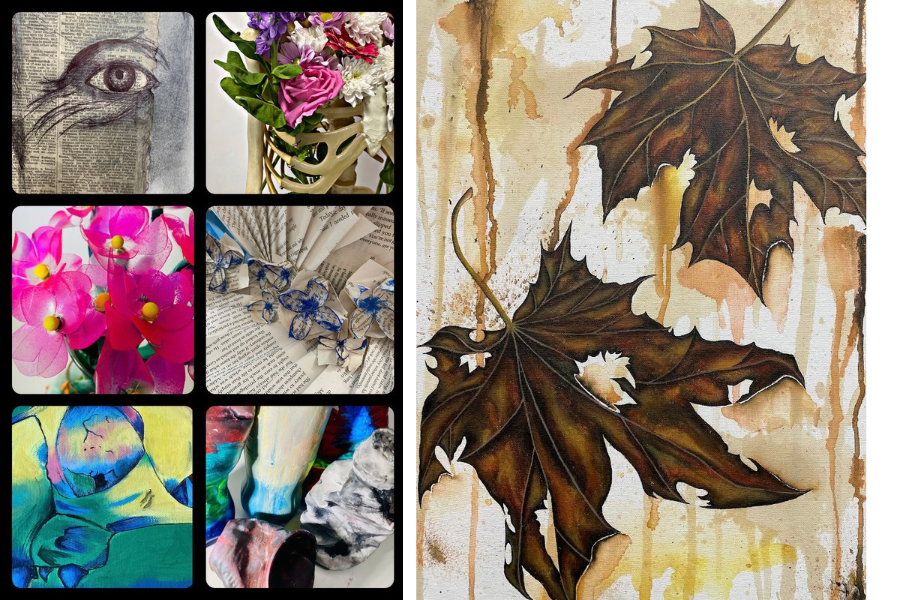
That doesn't mean we shouldn't keep improving. Of course we should. After 28 years, I'm still learning and changing how I teach. But being reflective doesn't have to mean constantly feeling that we're not good enough. Maybe we need to look back occasionally, not to dwell on our mistakes, but to see how far we've come. On the days when I feel like I'm failing at this job, I'm going to try to remember that I'm actually doing alright. No teacher is perfect. And perhaps being good at something doesn't mean never doubting yourself. It means carrying on despite the doubt.
28 years in, and I can still feel like the rookie.
We just have to keep going, our work is simply too important!
About the author
Maria Romanski has spent 28 years teaching Art at Plympton Academy and 14 years leading its Visual Arts department. A Middlesex University Fashion Design graduate, she has enjoyed watching the school grow and change from its days as Ridgeway School. She lives in Plymouth with her husband and teenage children.
Images
Examples of work from Maria's previous GCSE and A Level students.